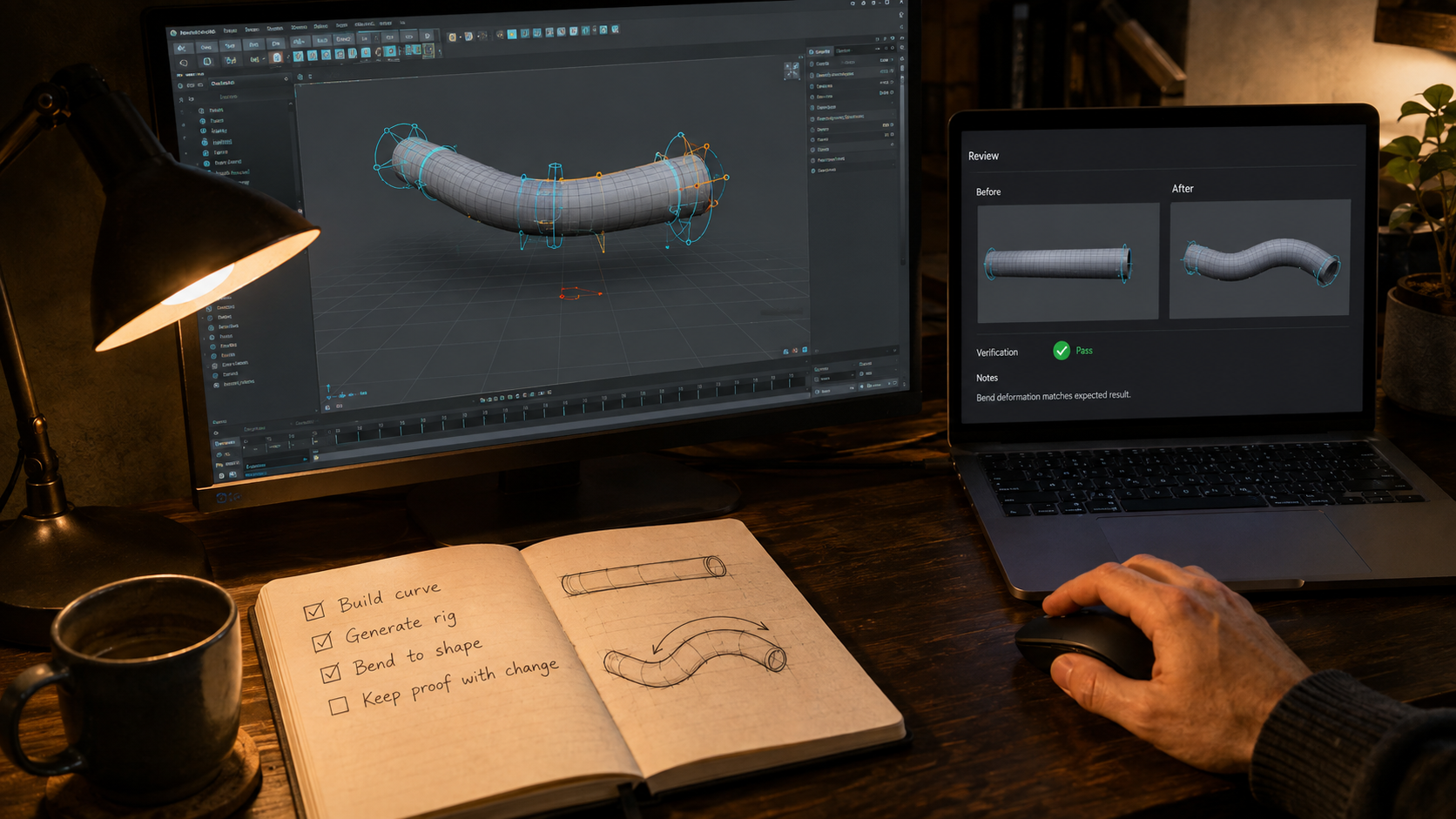
Agentic workflow update, August 2026
CurveDeform pushed the workflow toward better user-path proof. I added diagnosis and verification tools, audited the agents’ work, and removed a project skill that did not improve the result.
CurveDeform pushed the workflow toward better user-path proof. I added diagnosis and verification tools, audited the agents’ work, and removed a project skill that did not improve the result.
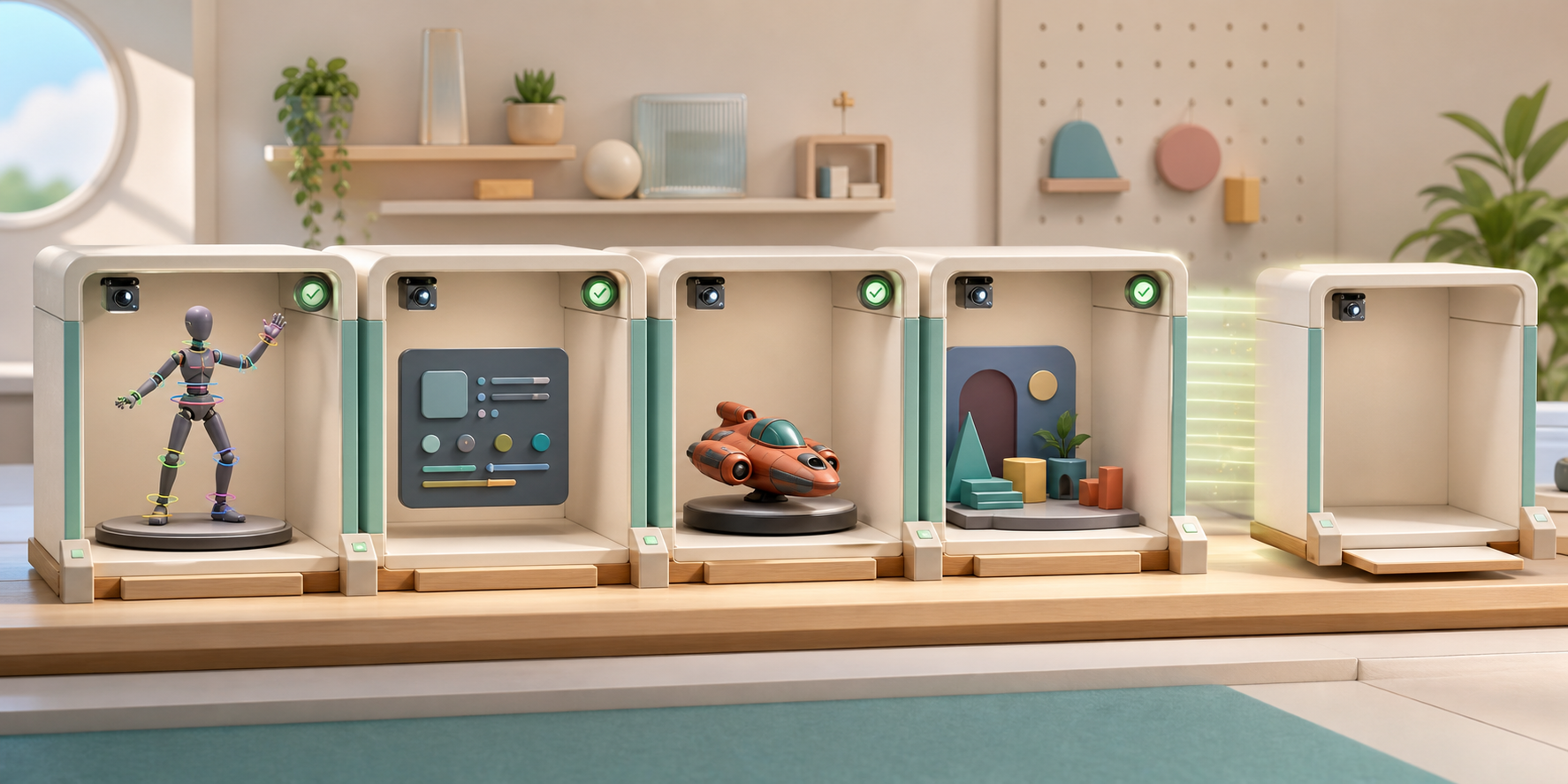
I built Maya Stall to give rigs, interfaces, models, scenes, and plug-ins their own repeatable test space inside real Autodesk Maya.
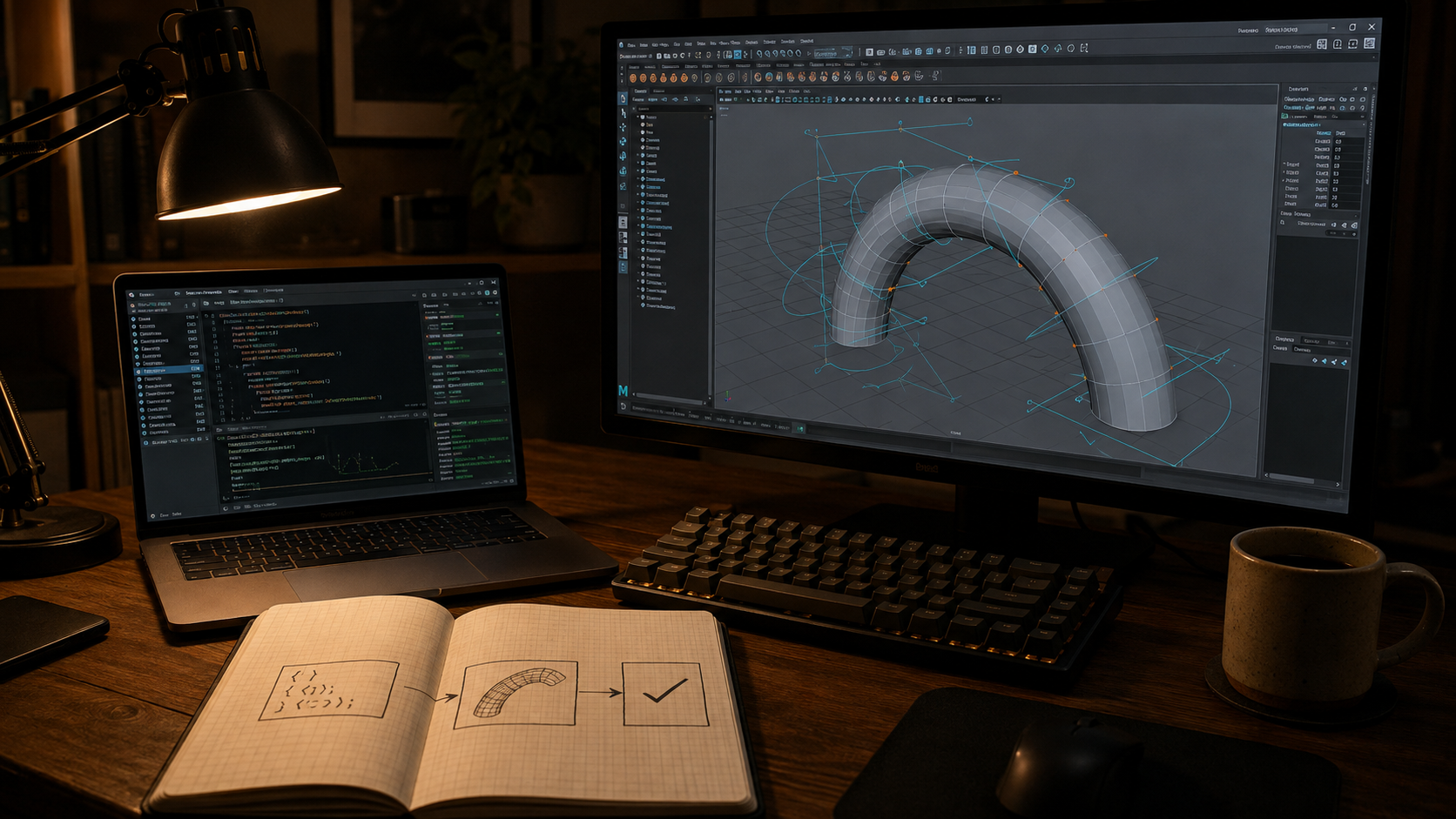
The issue workflow met real projects. Maya Stall exposed gaps that small tickets and passing tests had missed, while Codex delegation and shared skills made the setup easier to reuse.
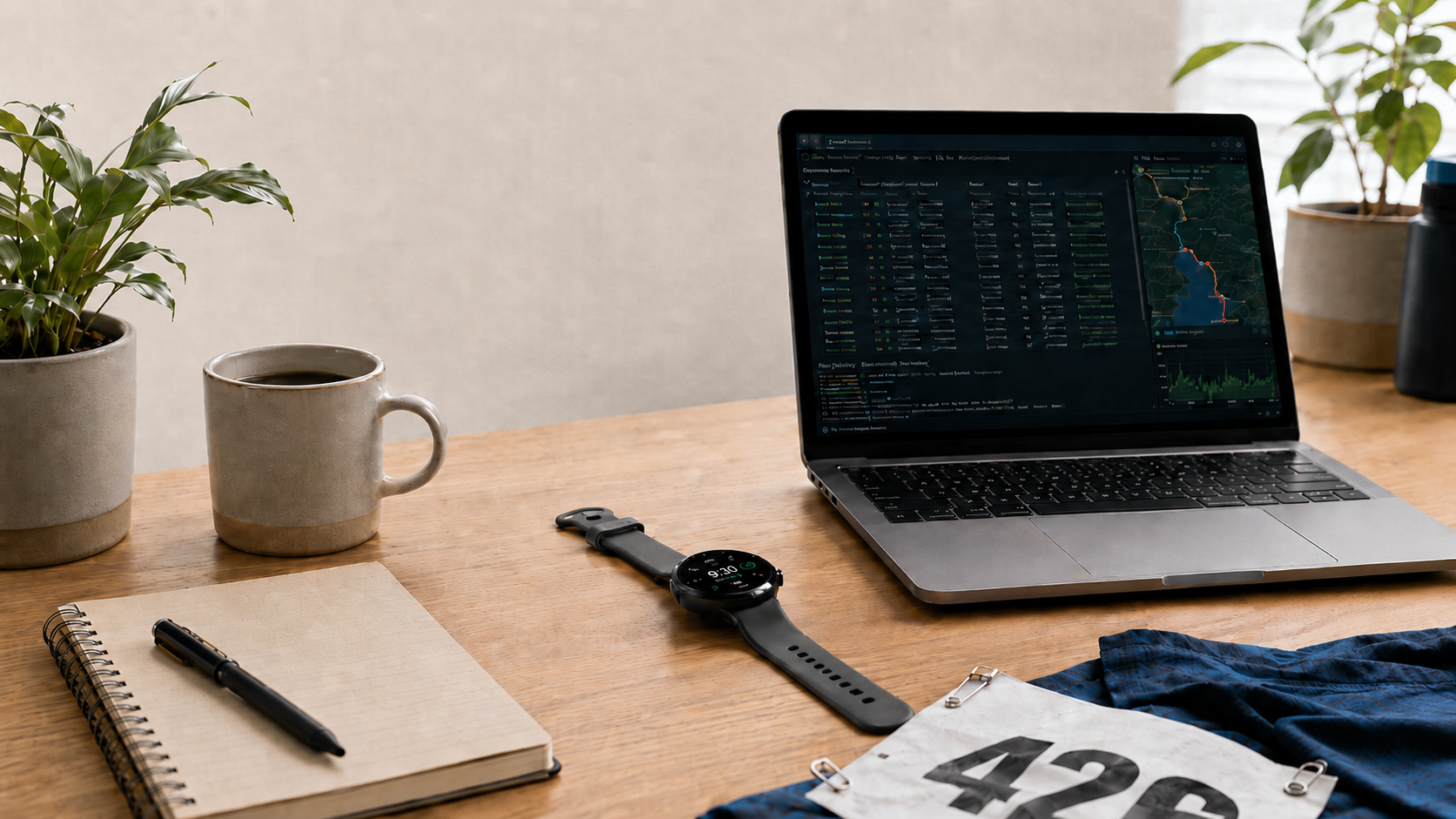
gohealthcli is a local first Google Health archive. I added it to my Hermes setup and used it for a small running plan experiment.
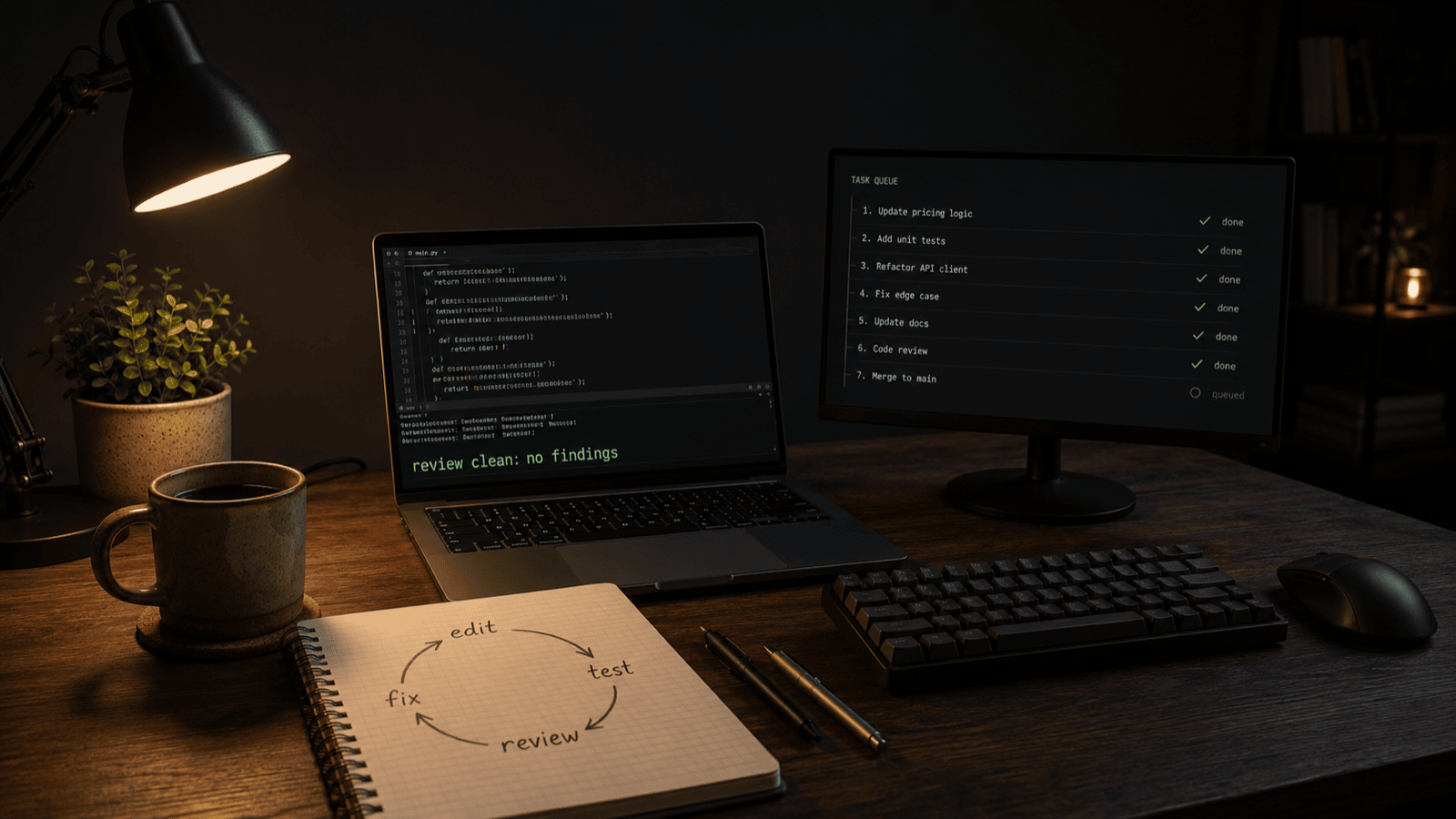
What changed since May: codex-review became autoreview, the PRD/issues/TDD skills graduated from experiment to default, a control-plane maintainer loop now drives triage and decision-ready PRs, and why I still run GPT-5.5 over Fable 5 for coding.
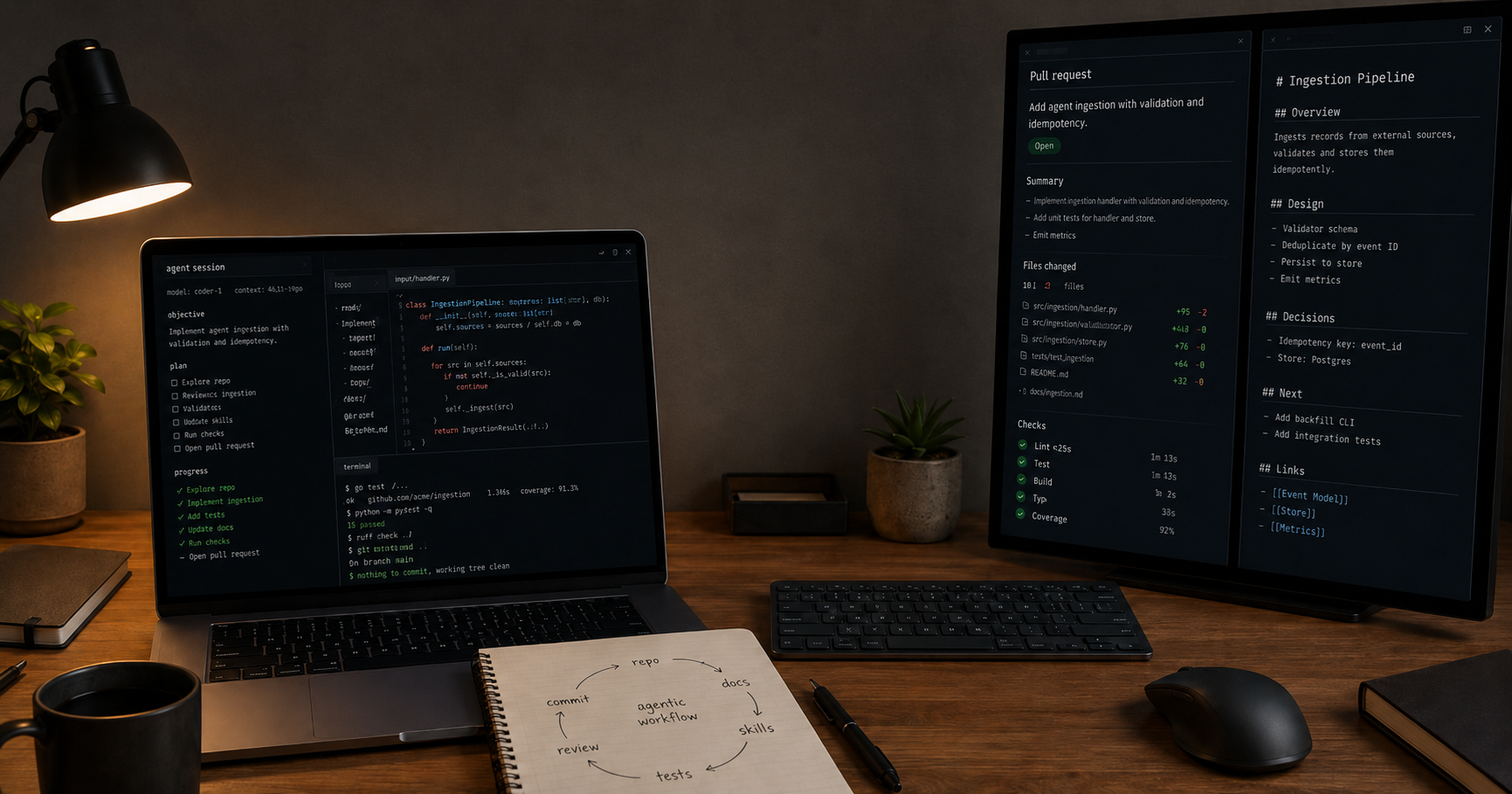
How I run agentic development in May 2026: shared repo instructions, local skills, tight review loops, and Codex as the main daily driver.
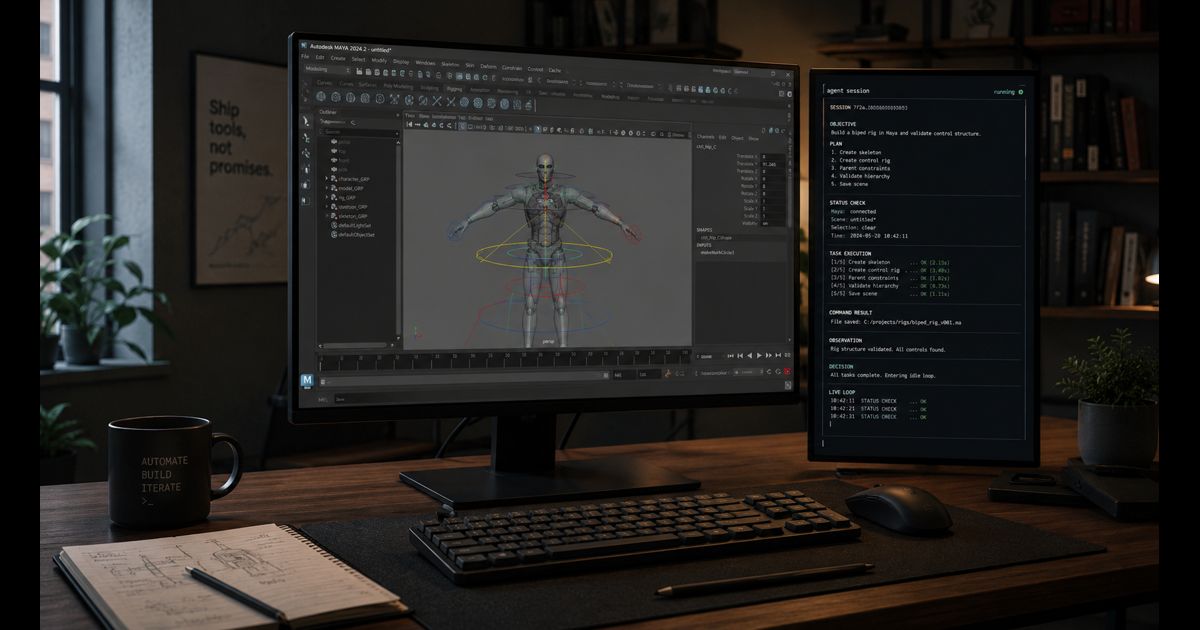
A practical Codex workflow for Autodesk Maya: one real host app, one small bridge, and fewer guesses.
A practical Hugo workflow using Obsidian for writing, Docker for local development, and Cloudflare Pages for deployment.

A practical walkthrough for training a Palmer Penguins neural net and using it in Autodesk Maya to classify penguins from scene controls.